Products

We directly process and fabricate a wide range of architectural glass products.

Products TPS Insulated Glass

TPS Insulated Glass

TPS = Thermo Plastic Space

TPS Insulated Glass
TPS Insulated Glass

Overview

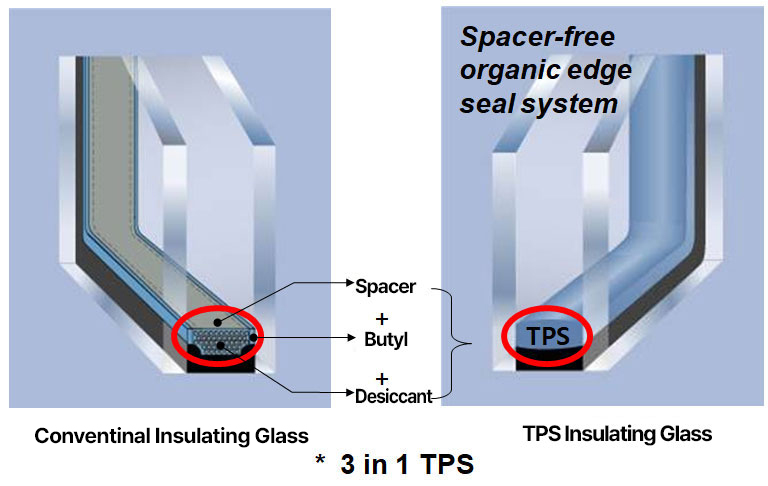
TPS insulating glass is a type of glass in which a space is created between two or more panes using TPS spacers, and air or argon gas is filled into the cavity to enhance thermal insulation, sound insulation, and condensation prevention. It is essential for energy savings and the creation of a comfortable indoor environment, and its performance can be further enhanced by combining various functional glasses such as Low-E coated glass and laminated glass.

It refers to glass in which two or three or more panes are assembled with a fixed air space between them to provide thermal insulation performance.

To improve insulation performance, methods such as the use of Low-E glass, filling with inert argon gas (Ar), and the application of insulating spacers are employed.

Various configurations are possible depending on the type of glass, the material and width of the spacer, and the type of gas used in the air layer.
TPS Insulated Glass

Structure

  • Glass : Two or three or more panes of flat glass.
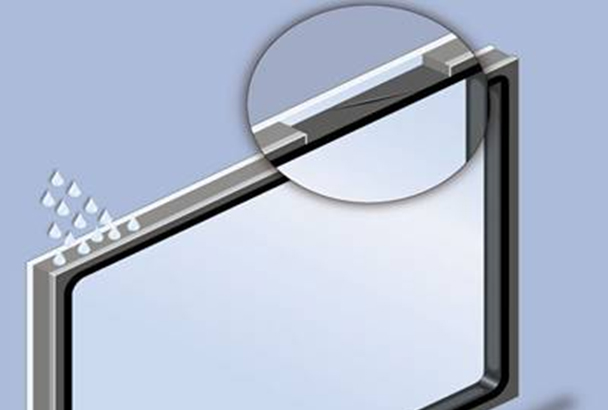
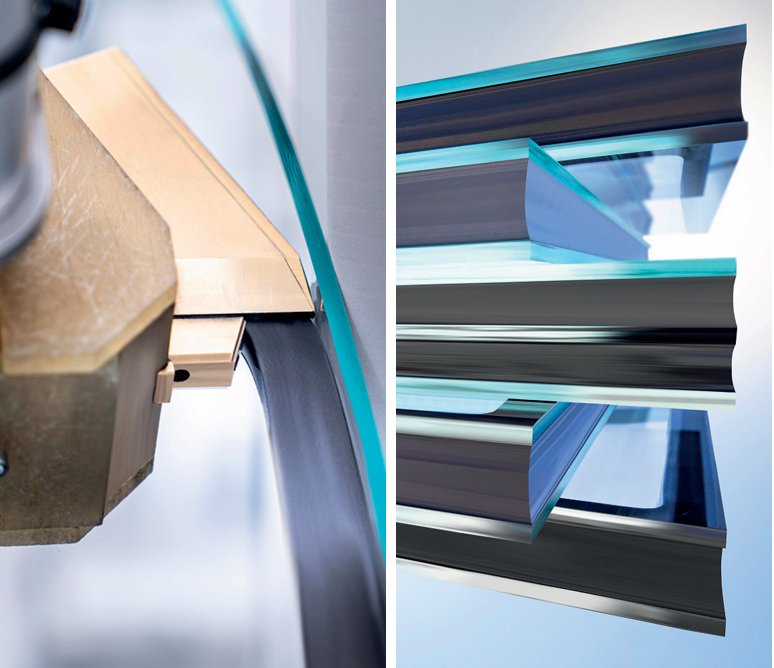
  • Spacer : Made of TPS material that maintains a constant gap between the glass panes and provides moisture absorption.
  • Gas Layer : Argon gas or similar gases are injected into the empty space between the spacers to maximize thermal insulation performance.
  •  

Applications of TPS Insulating Glass

  • Residential : Apartments, detached houses, multi-family housing
  • Commercial : Offices, knowledge industry centers, and others
  •  

TPS Insulating Glass Specifications

  • Thickness : 16~ 53mm
  • Maximum Size : 2,450 mm × 3,600 mm
  • Specifications may vary depending on the glass configuration.
  •  
TPS Insulated Glass

Gas Retention

TPS Insulated Glass
* Gas-tight IG units
  • A tight bonding quality is achieved through 45-degree joints.
  • Performance depends on the application amount and method of PIB (butyl), which is the most effective polymer currently available for blocking moisture and gas.
  •  
Category TPS Glass Conventional Spacer Glass
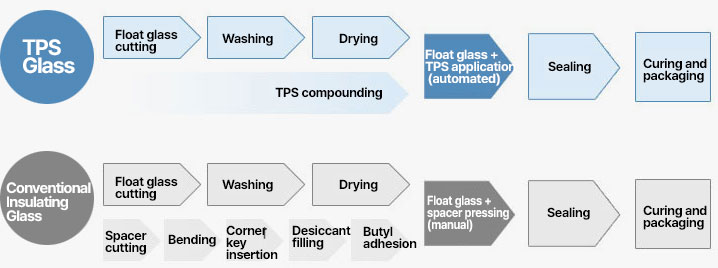
Process Quality variation is minimized through fully automated sealing equipment. High potential for quality variation due to operator involvement at each process stage, including spacer cutting → corner key insertion → desiccant filling → butyl application → assembly.
Butyl Application Thickness Minimum of 6 mm or more with no discontinuity. Average of 3 mm, with issues of discontinuity.
Ar Leakage Rate 0.28% per year 2% or more per year (quality variation depending on manufacturer and operator)

Benefits

Improved Thermal Insulation
Reduces the amount of heat energy escaping to the outside, providing excellent insulation performance.
Condensation Prevention
Reduces condensation by minimizing the temperature difference between indoor and outdoor environments.
Excellent Daylighting
Superior light transmission creates a bright and pleasant indoor atmosphere.
Sound Insulation
The space between glass panes helps block external noise.
UV Protection
When Low-E coating is applied, harmful ultraviolet and infrared rays are reflected, preventing damage to interior furnishings.
Architectural Caulking Sealant
When combined with laminated glass, it ensures safety by preventing glass fragments from scattering even under external impact.
Thermal Insulation Performance
TPS Insulated Glass
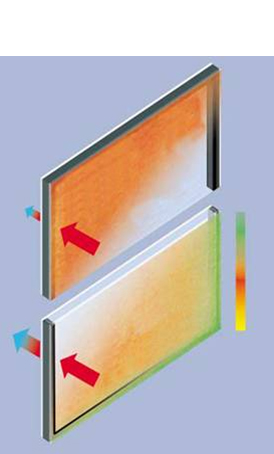
Excellent heat transfer blocking efficiency
  • TPS : 0.28 /mK,
  • AL : 237 W/mK
  •  
* Warm edge
TPS Insulated Glass
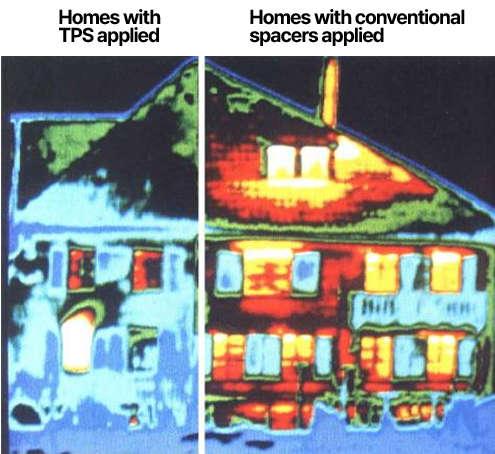
※ Thermal images showing the heat loss condition of the
house captured using infrared imaging

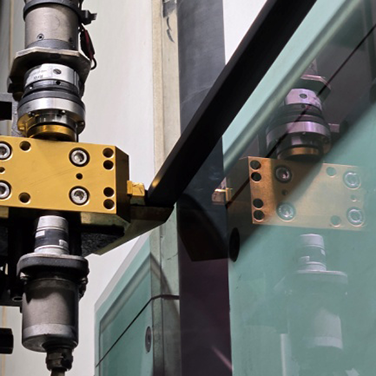
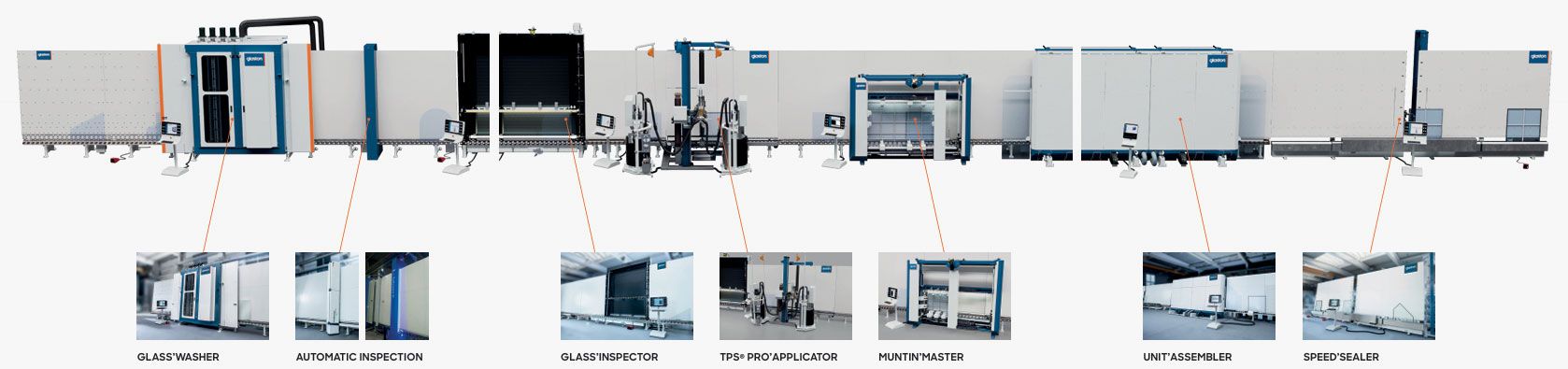
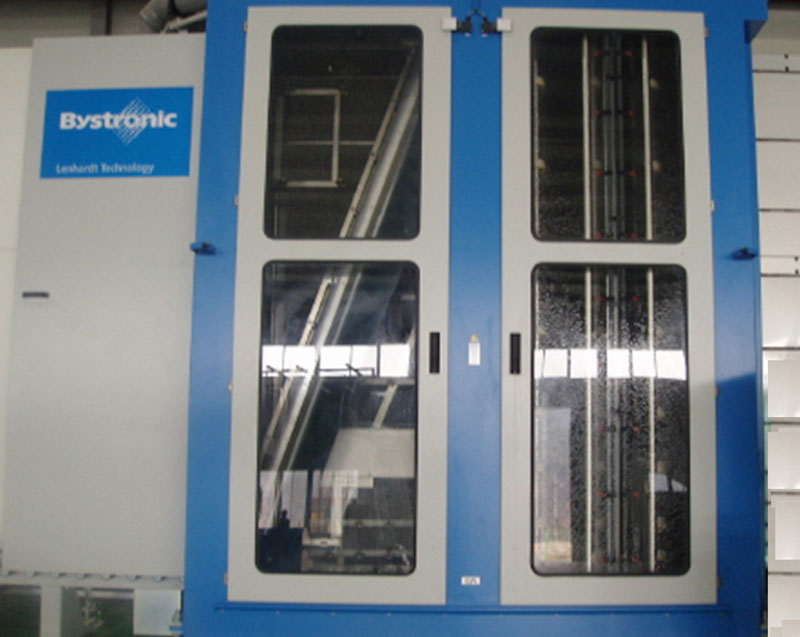
Automated Production Process

※ High-quality TPS insulating glass produced through automated equipment
Automated Production Process

Automated Production Process
Production Process
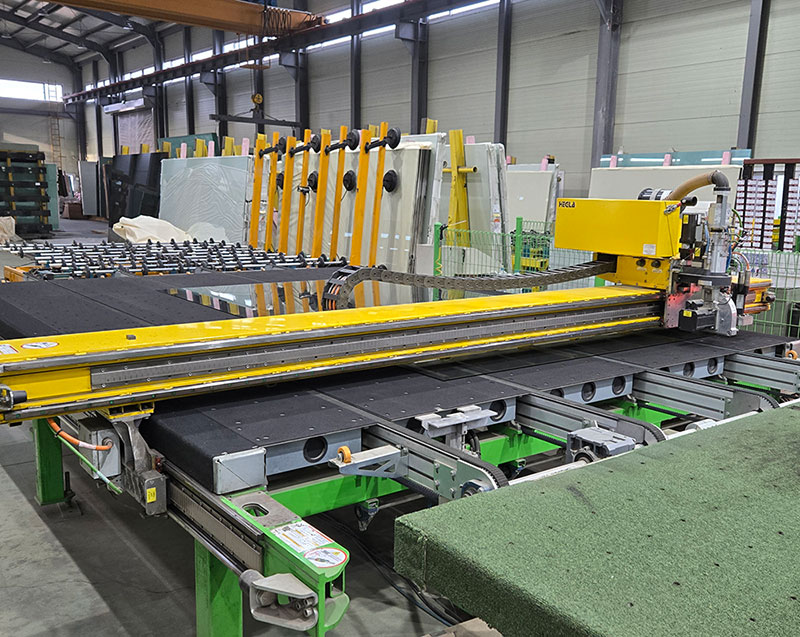
1. Automatic cutting with raw glass transfer
Production Process
2. Edge deletion of coated glass
Production Process
3. Glass washing and drying
Production Process
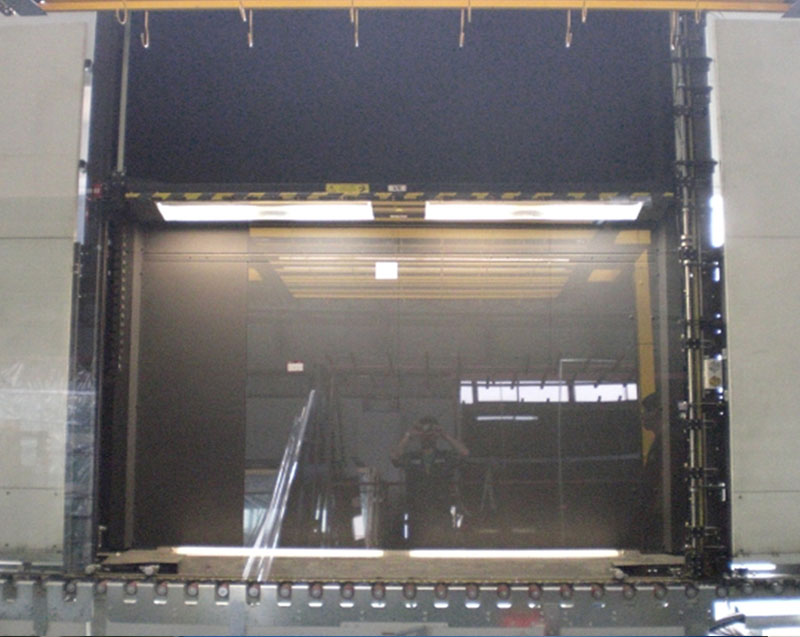
4. Glass surface inspection and marking
Production Process
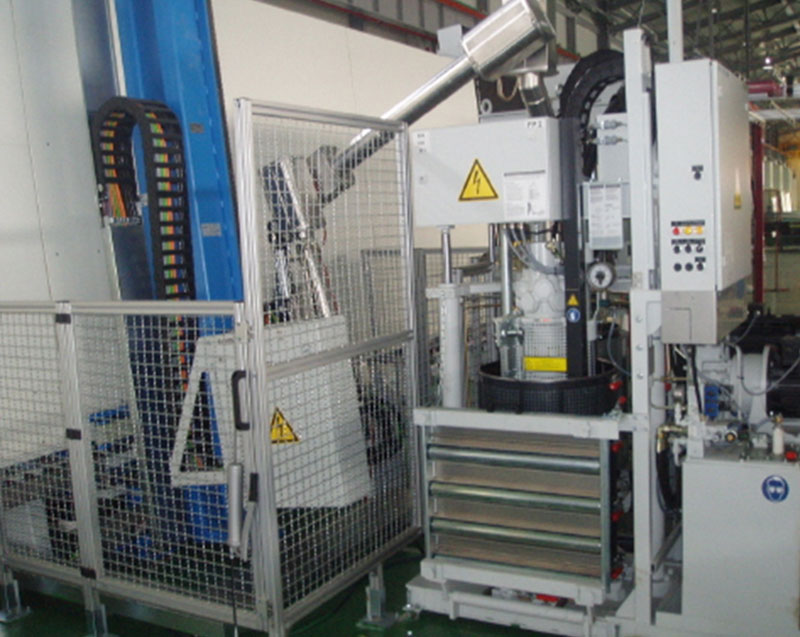
5. Fully automated TPS process
Production Process
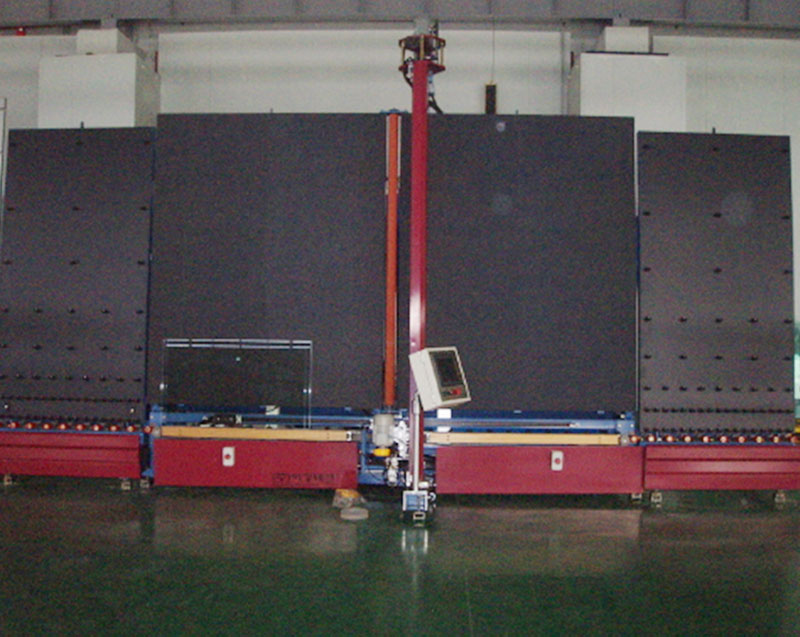
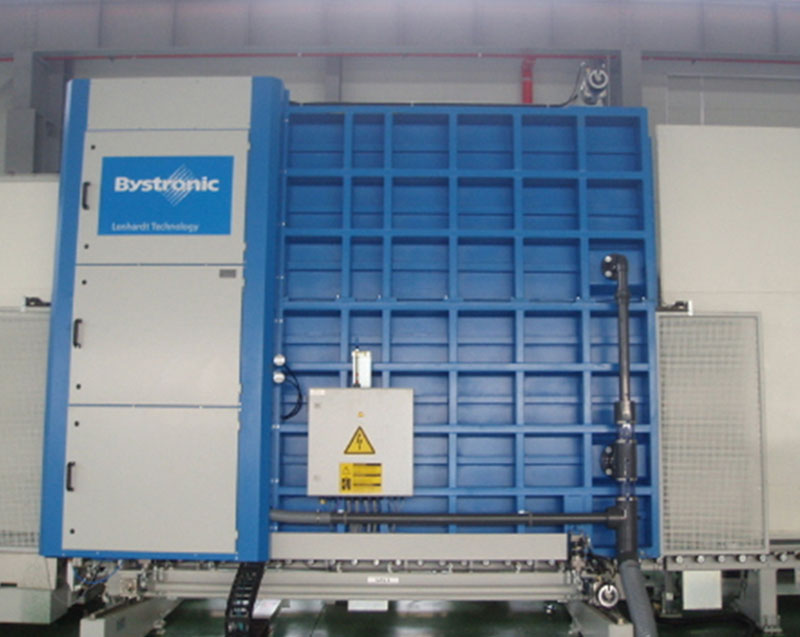
6. Automatic press compression
Production Process
7. Automatic edge sealing